

Opinion
If you’re a drag racing fan – and if you’re reading this, I’m assuming you are – I’m sure you heard about one of...
Hi, what are you looking for?

Ron Capps Looking to Capitalize on Las Vegas 4-Wide Momentum in Charlotte

Scrappers Sisters Set For First Pro Performance Together At NHRA Four-Wide Nationals

Dave Richards and the Versatran / BlueBird Team Returning to Familiar Territory at zMAX Dragway

Daniel Wilkerson and SCAG Ford Funny Car Team Looking to Turn Things Around at Charlotte Four-Wide

Justin Ashley and SCAG Toyota Team Look to Continue Promising Start to NHRA Season at zMax Dragway
Ron Capps Looking to Capitalize on Las Vegas 4-Wide Momentum in Charlotte
Scrappers Sisters Set For First Pro Performance Together At NHRA Four-Wide Nationals
Dave Richards and the Versatran / BlueBird Team Returning to Familiar Territory at zMAX Dragway
Daniel Wilkerson and SCAG Ford Funny Car Team Looking to Turn Things Around at Charlotte Four-Wide
Justin Ashley and SCAG Toyota Team Look to Continue Promising Start to NHRA Season at zMax Dragway

Sander Engineering Introduces the Revolutionary EZ-Fit Liner Wheel for Drag Racing

Moser Engineering Purchases GearFX From Holley Performance Brands
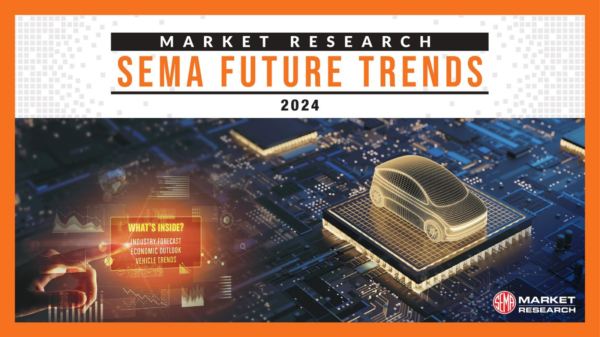
Automotive Specialty-Equipment Industry Projects Growth in 2024 and Beyond
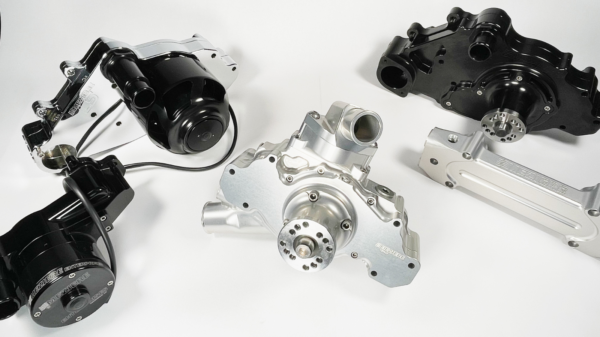
Meziere Expands its Offering of Pumps for LS Engines
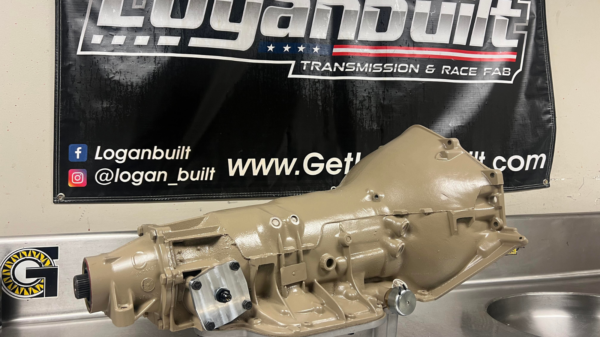
DI 30 Under 30 Honoree Logan Yelton Announces New Transmission Venture Geared Towards Small-Tire Racers

WBS – Alex Laughlin Co-Hosting, Special Guests Jim Howe, Brandon Pesz, & Spencer Hyde

The Wes Buck Show | Ep. 339 | Special Guest Barrett Green, NHRA Vegas, PDRA, Small Tire Gangsta’s & more!!

Tom “Jimmy Dale” Gunner Co-Hosting with Special Guest Clay Millican

PDRA’s own Tyler Crossnoe & NHRA Pro Stock Rookie Sienna Wildgust today on The Wes Buck Show!

Justin “Lil Country” Swanstrom Co-Hosts with the DI Crew this week on The Wes Buck Show!
If you’re a drag racing fan – and if you’re reading this, I’m assuming you are – I’m sure you heard about one of...


Pro Extreme Eliminator superstar Bubba Stanton produced a string of runs which resulted in dropped jaws worldwide while winning the fourth Larry Jeffers Race...


Gameshow music from the 70s plays in the background “It’s now time for our favorite game: Is! Erica! Finished!” Music gets louder, crowd goes...


Since the introduction of electronic fuel injection (EFI) in NHRA Pro Stock in 2016, the class has been dominated by the Chevrolet Camaro. In...


With both 4-Wide Nationals events in the rearview, NHRA takes its travelling circus to the newly-reopened Route 66 Raceway in Joliet, Ill. (I see...
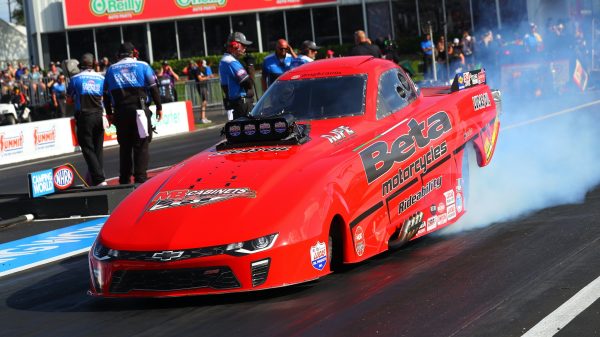
Thanks for stopping by. Go ahead and sit down. We need to have a talk. I am hoping for all stakeholders in NHRA Top...
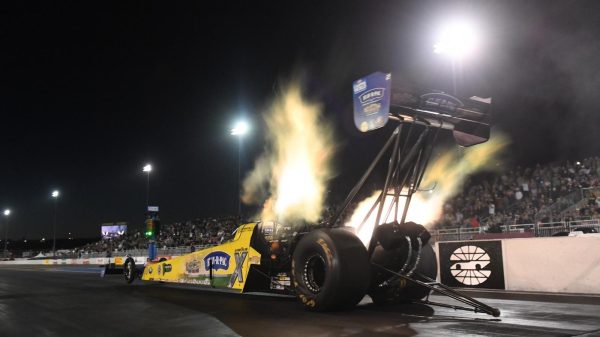
Brittany Force’s simply incredible string of speeds at the recent Denso NHRA Sonoma Nationals may flirt with retribution from the NHRA Technical Staff but...

Okay, okay… I’m being sarcastic. I’m sorry. But just real quick – if you don’t mind – I need to vent. Over the course...
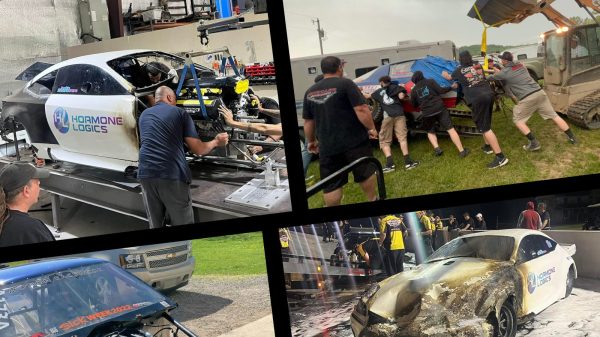
Okay, okay. Maybe not everything. But I’m telling you…this next generation of drag racers are nowhere near the millennial pansy asses that we like...
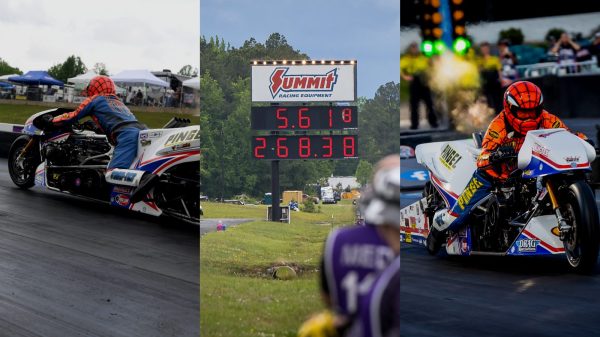
We humans need things like this. It’s happening all around us, all around the world, all the time. People latching onto social issues, injustices...
[Founder’s Note: Look for even more opinionated editorials from the team at DI. We’ve seen our willingness and ability to speak openly, honestly and...

In this week’s edition of the Drag Illustrated Roundtable, the DI team weighs in on the major happenings that made the 67th annual Dodge//SRT...
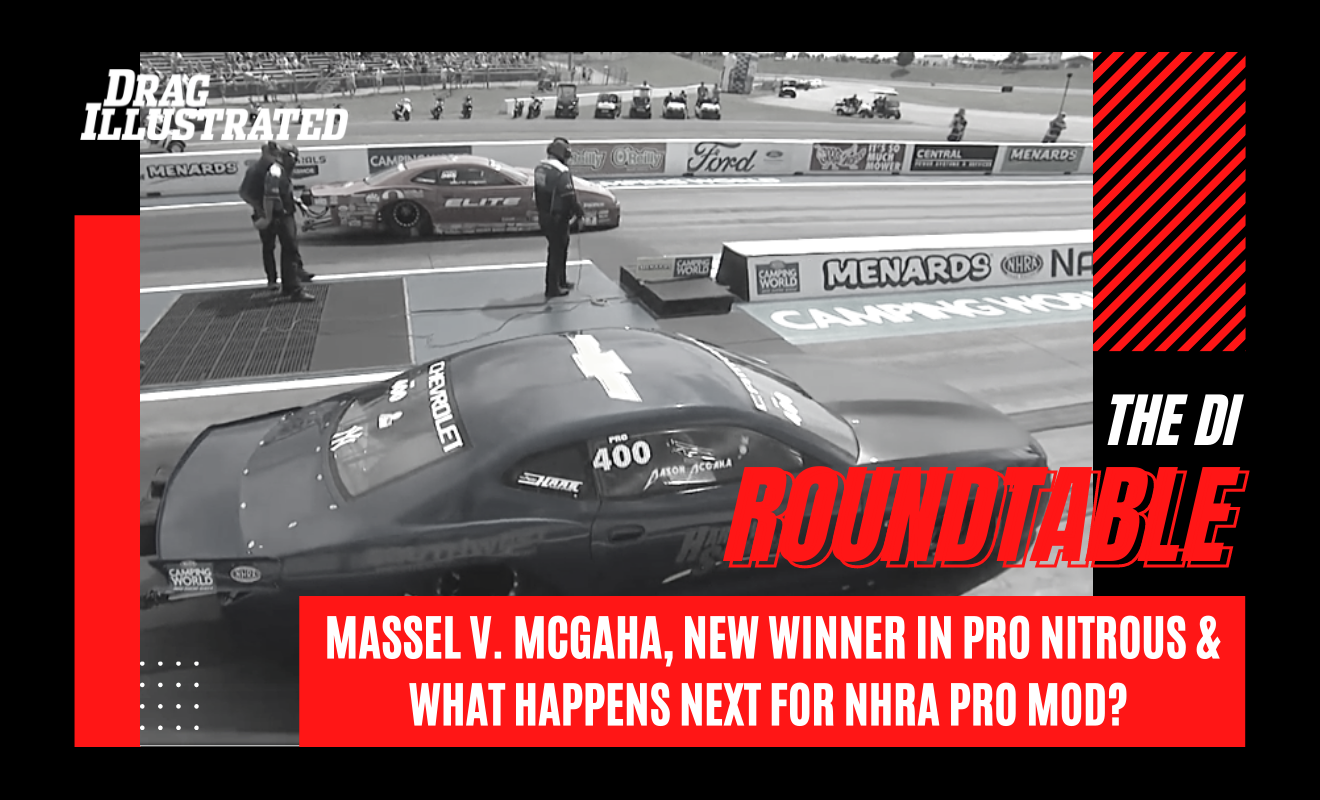
The Drag Illustrated Roundtable is back this week with some in-depth analysis and opinions on the newsmakers, hot topics and trends in drag racing....
The DI Roundtable is back and there’s plenty on their minds after a massive weekend in the sport. The team of Wes Buck, Nate...
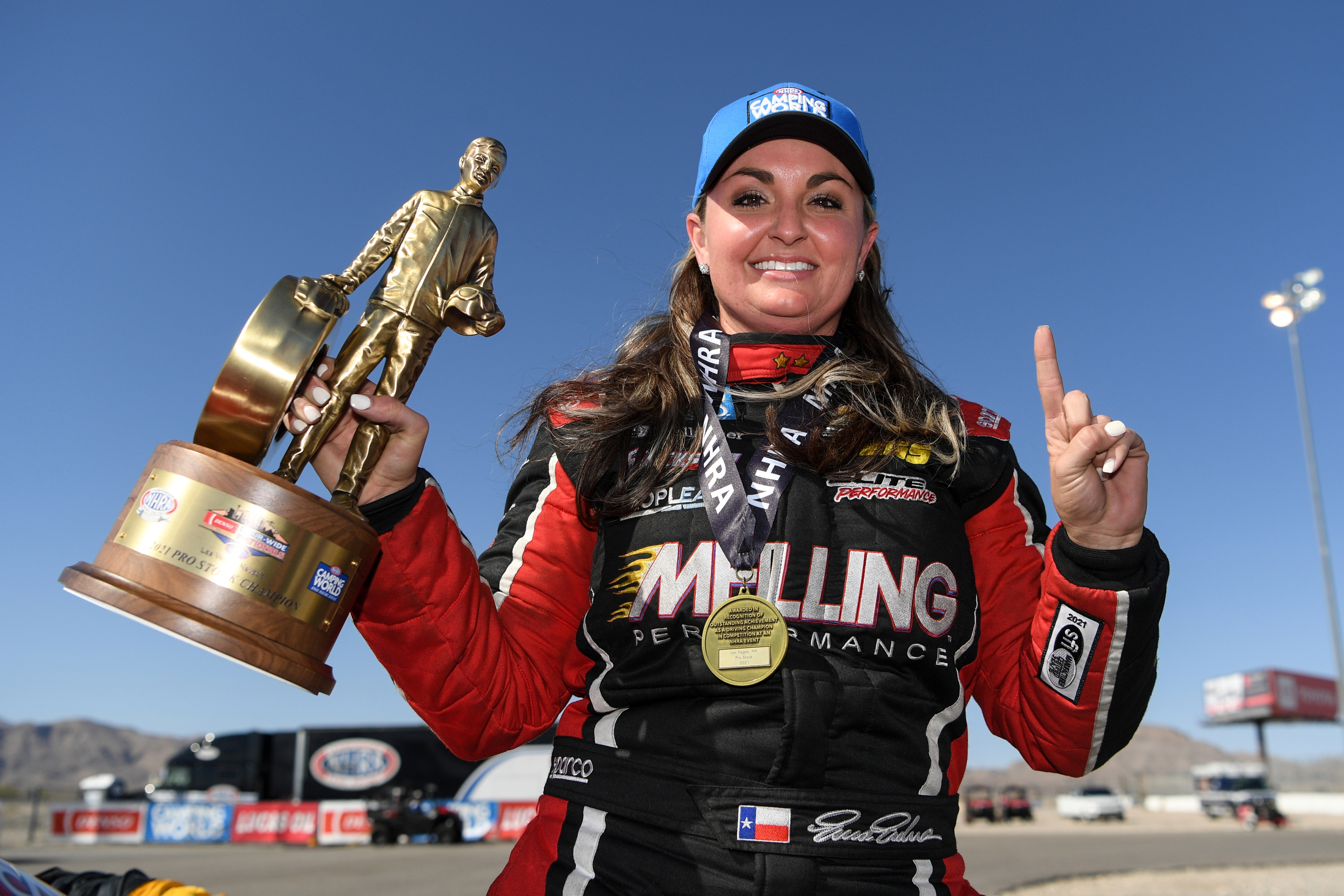
Sunday, April 18th, at The Strip at Las Vegas Motor Speedway, Erica Enders won the NHRA Camping World Series Pro Stock race in her...
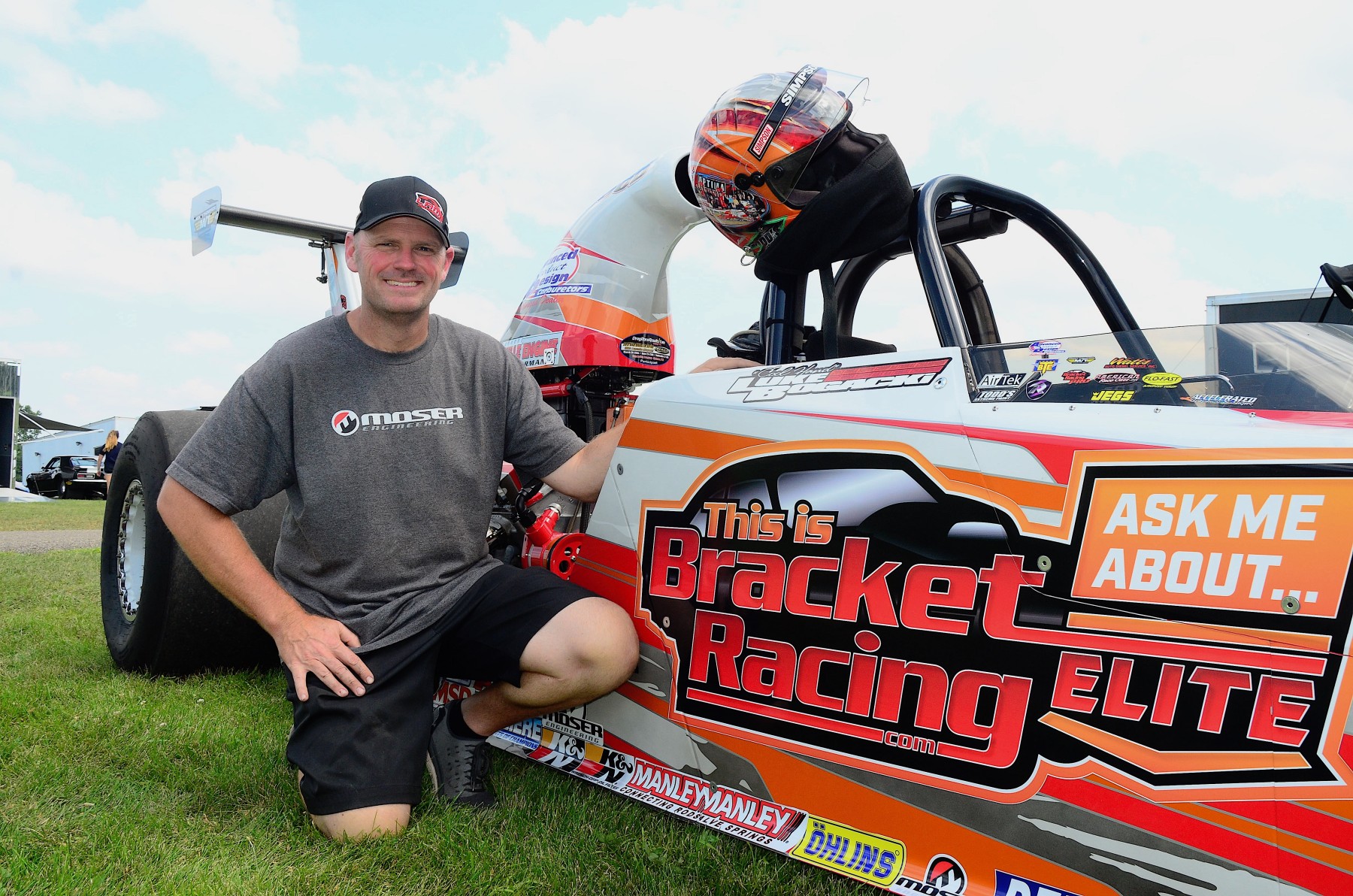
What does the future of E.T. bracket racing look like? It’s a question that I’ve heard presented and debated constantly over my three-plus decades...
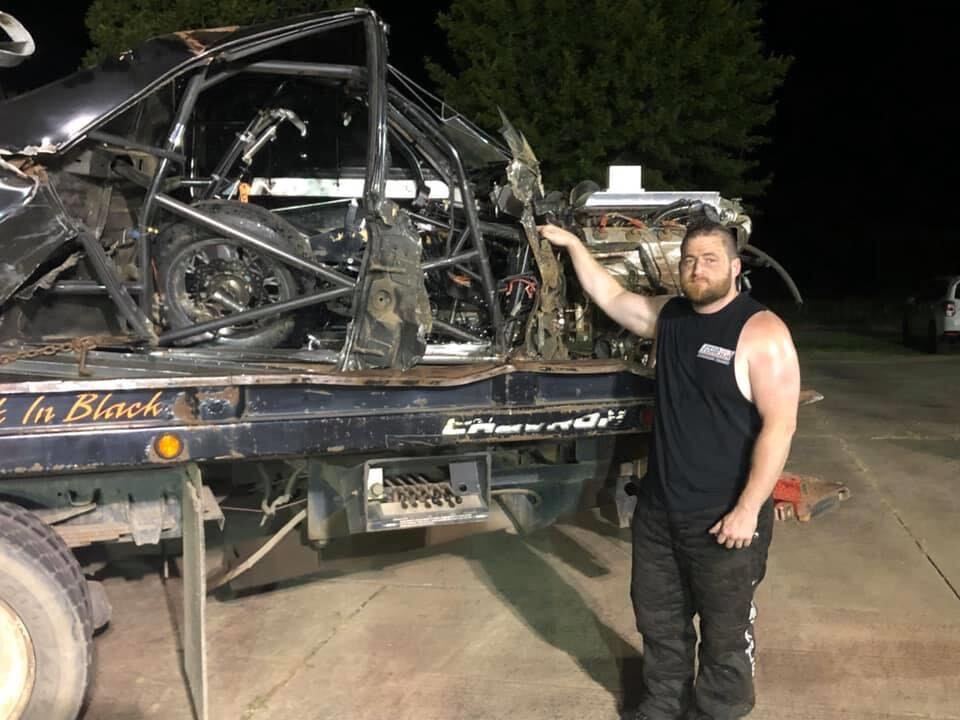
Love them or hate them, the cast of characters from the Street Outlaws franchise has solidified its place atop the street racing food chain. Over...
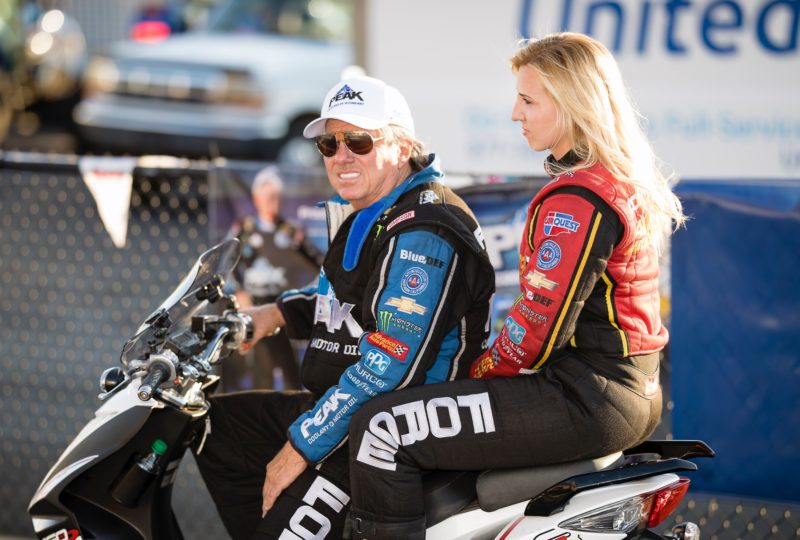
Following the somewhat expected, but still extremely difficult to swallow news that John Force Racing would indeed be parking their entire NHRA Top Fuel...
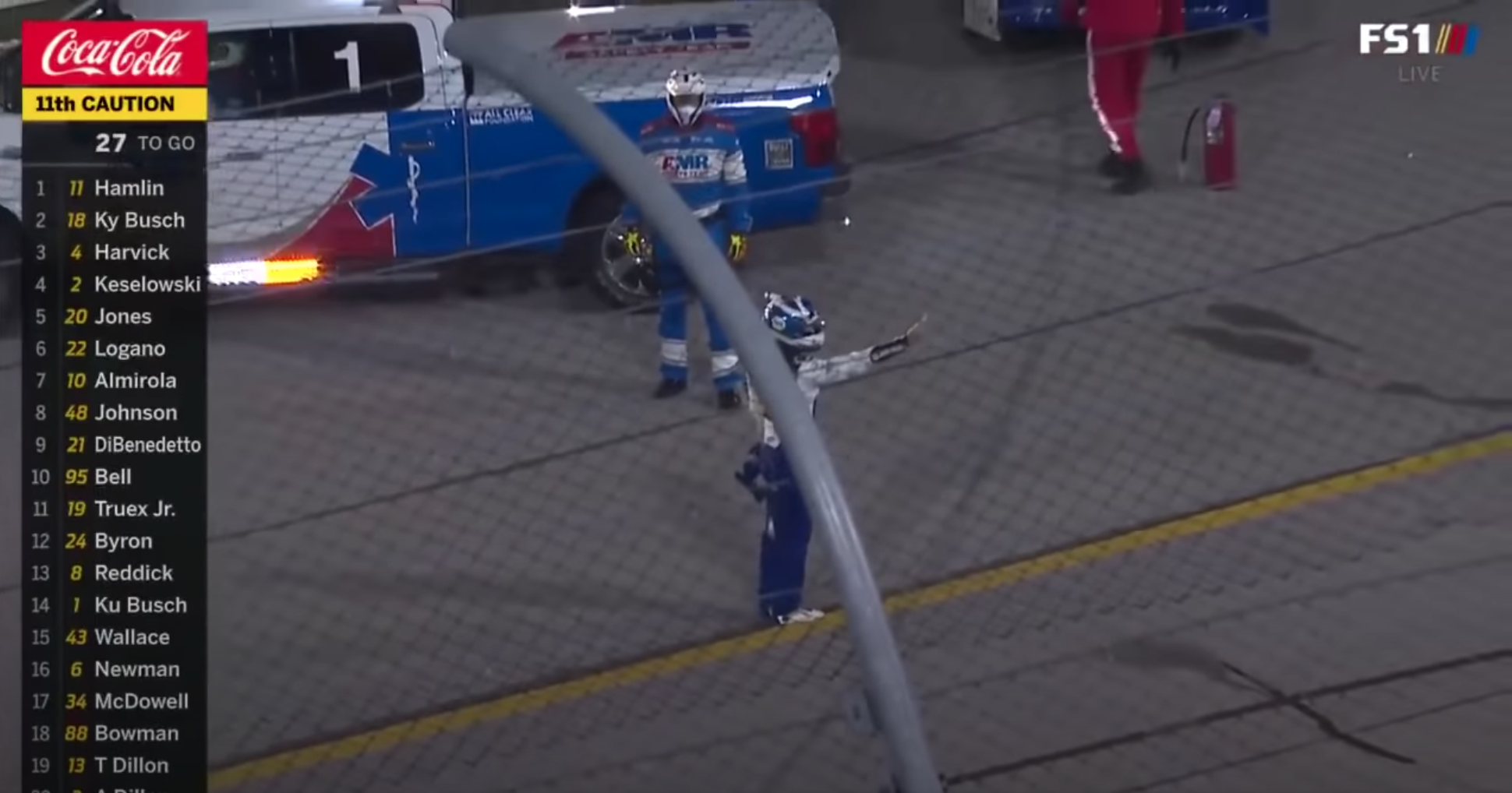
I found myself enthralled on a Wednesday evening — last night was Wednesday, right? — which is saying something these days. Other than watching...
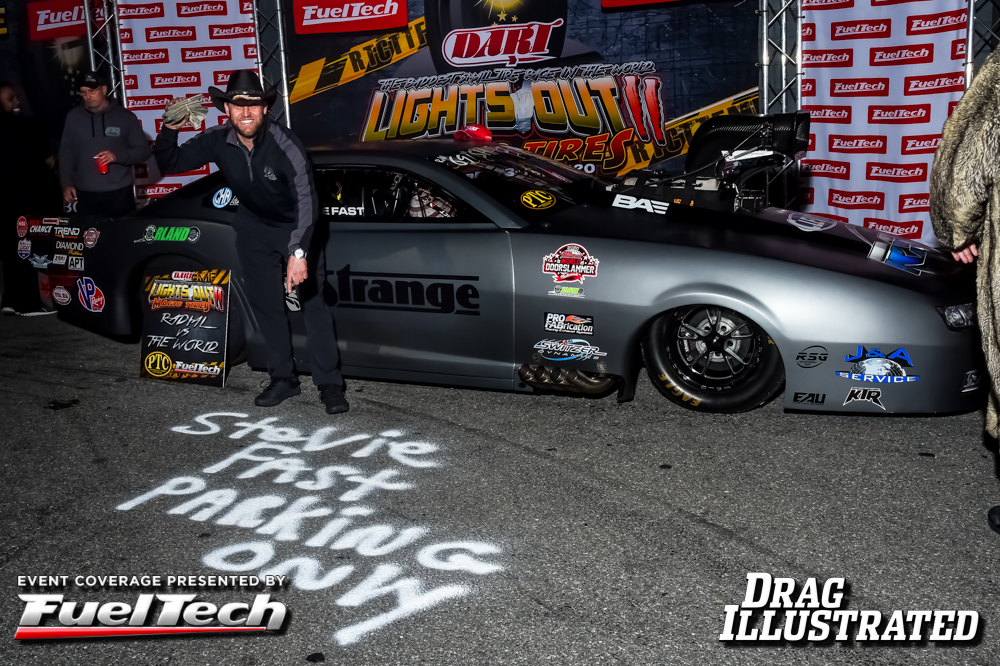
When Stevie “Fast” Jackson finally got to reflect on his 2019 season, he did so acknowledging how difficult it would be to top it....
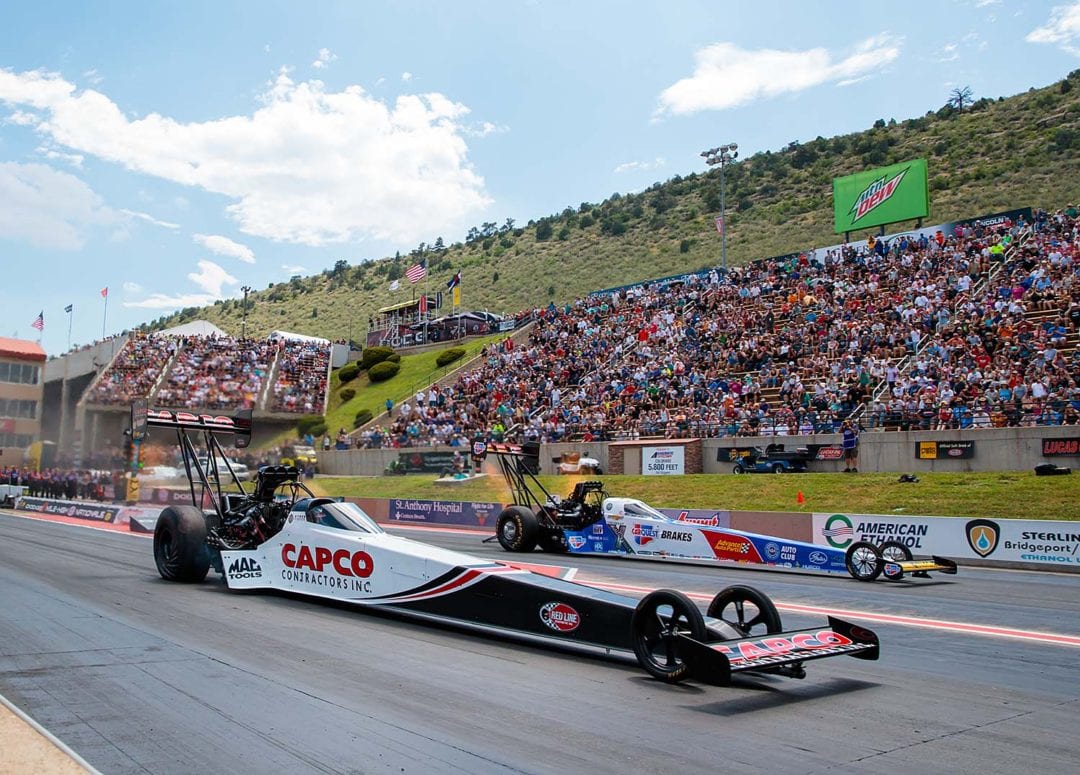
There’s always so much to celebrate in this great sport of ours, but Thanksgiving is the perfect opportunity to figure out what we’re thankful...
If you’ve spent any time whatsoever in the world of drag racing – whether as a racer yourself, or as a crew member, family...
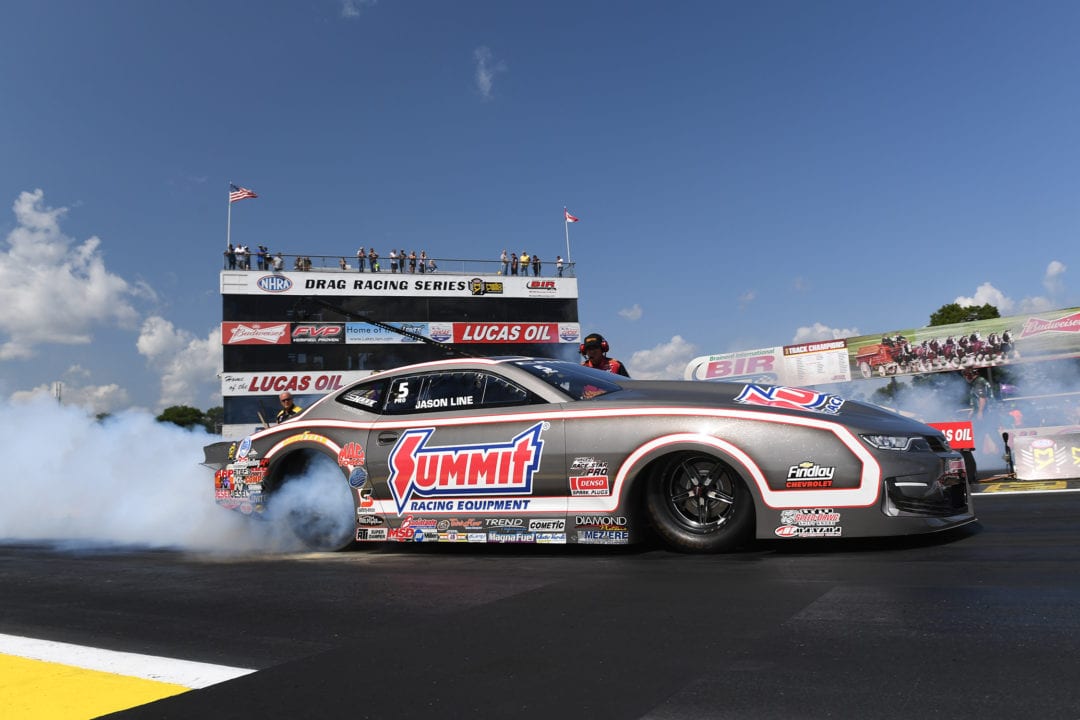
You could tell all weekend that this meant something extra for Jason Line. From the time he qualified No. 1, there was a sense...
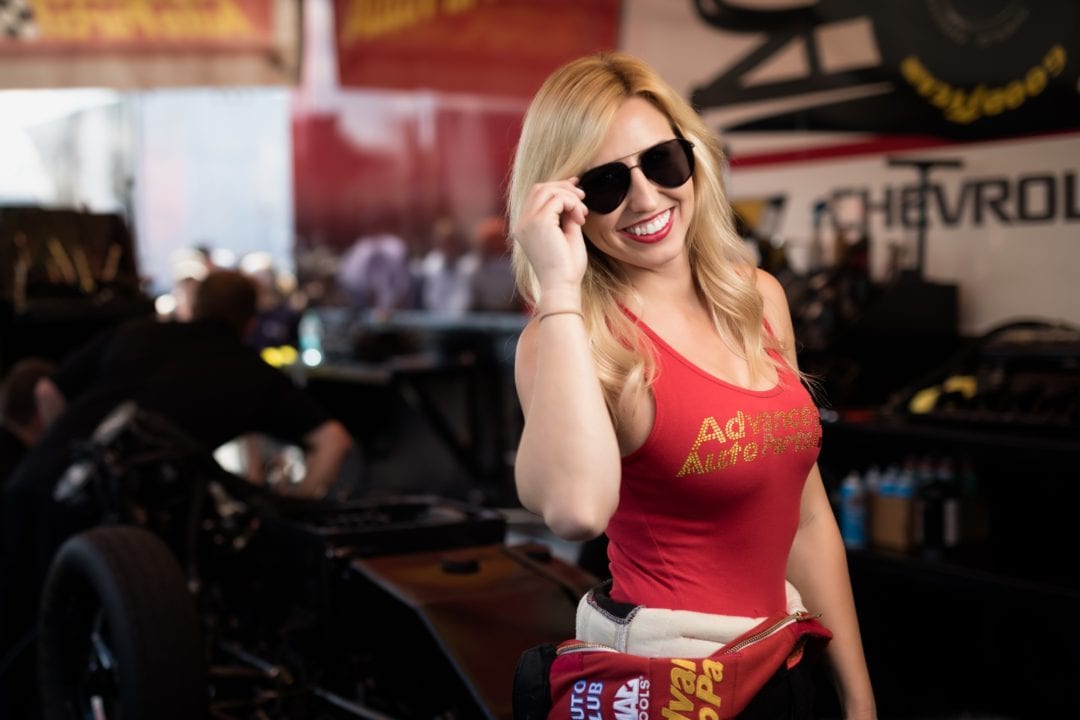
It wasn’t exactly the news you want to hear heading into a new season – one of the biggest stars in the sport stepping...
It was a beautiful sunny day here in Florida as I got ready and headed to the airport to catch my flight to Memphis...
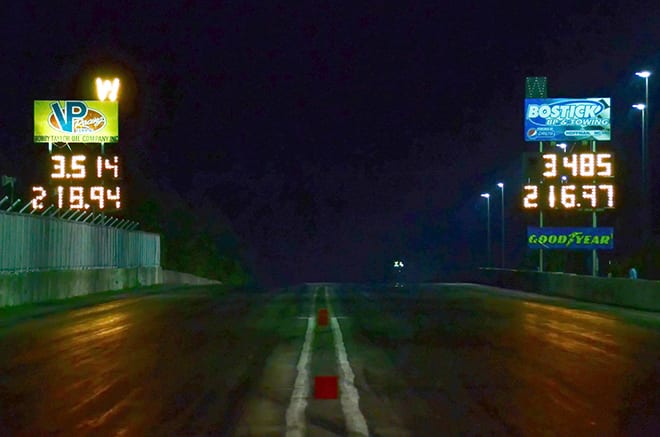
Times are tough in the PDRA these days. And I don’t mean politically or financially; I mean elapsed times, out on the track, where...
In my last blog I mentioned the trials and tribulations of a drag racer in the world of commercial truck drivers. I am not...
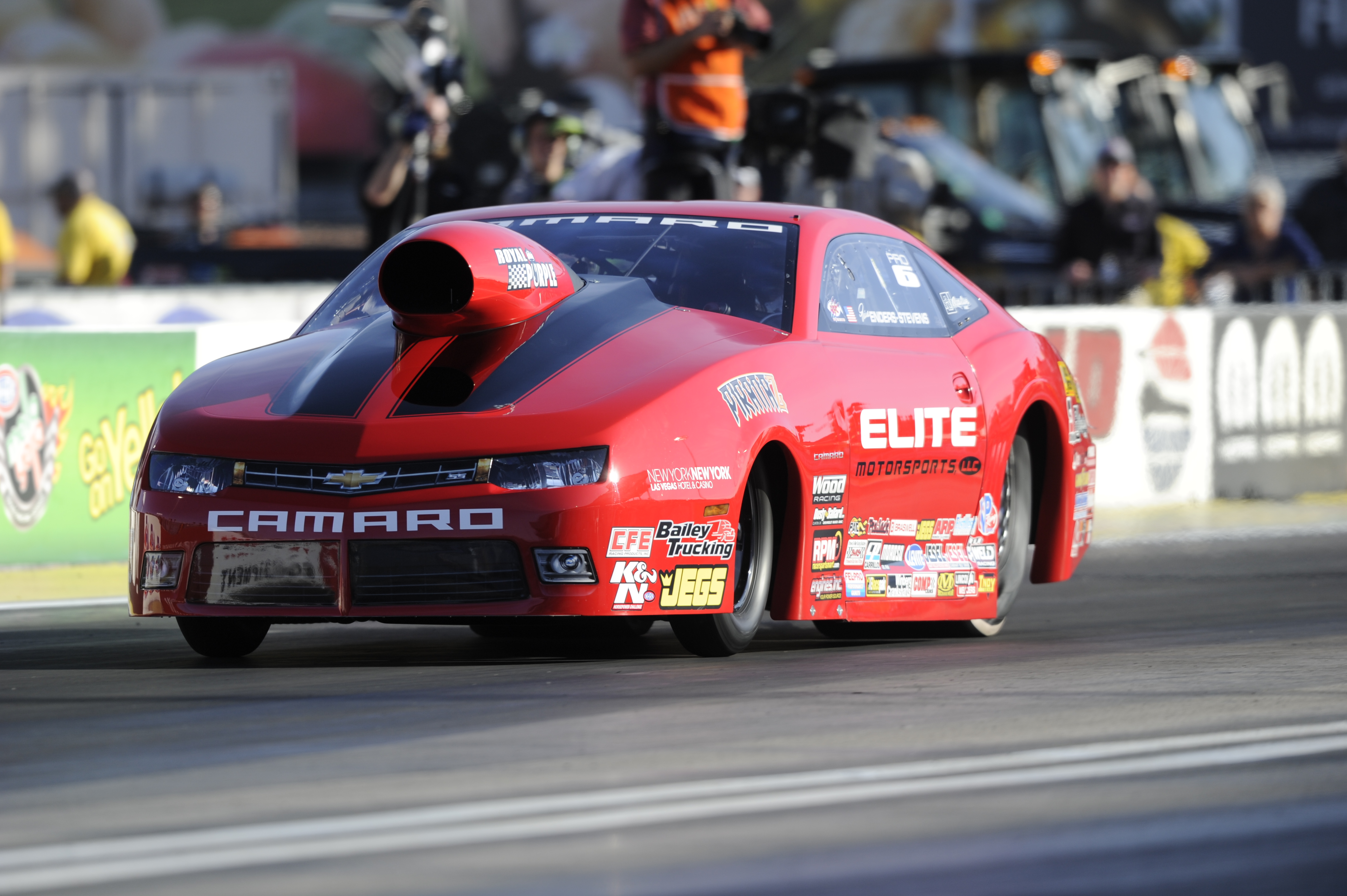
Whether you agree or disagree with the changes NHRA mandated for Pro Stock beginning this coming weekend in Sonoma and more substantially in 2016,...
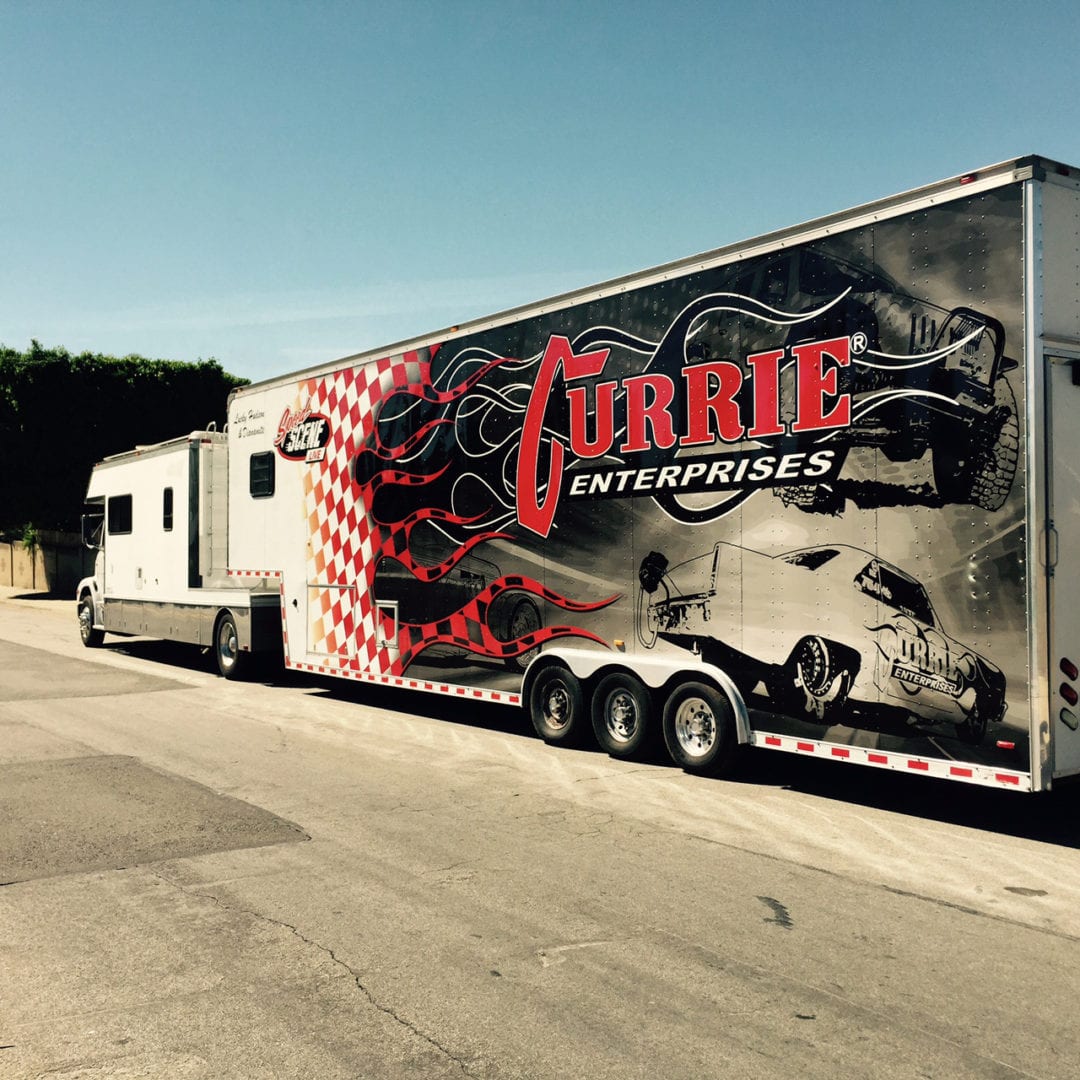
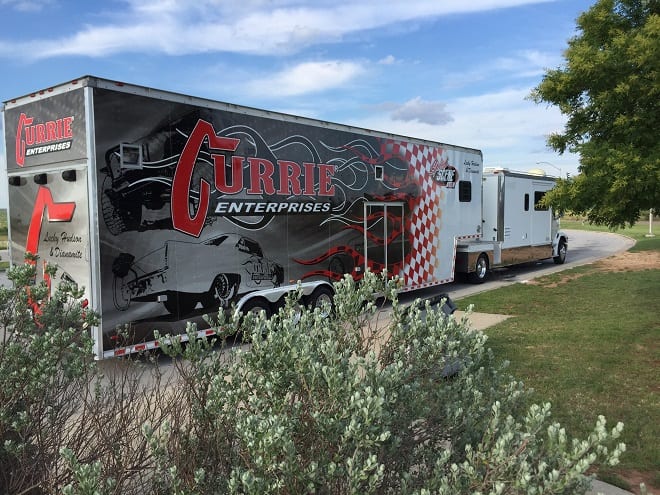
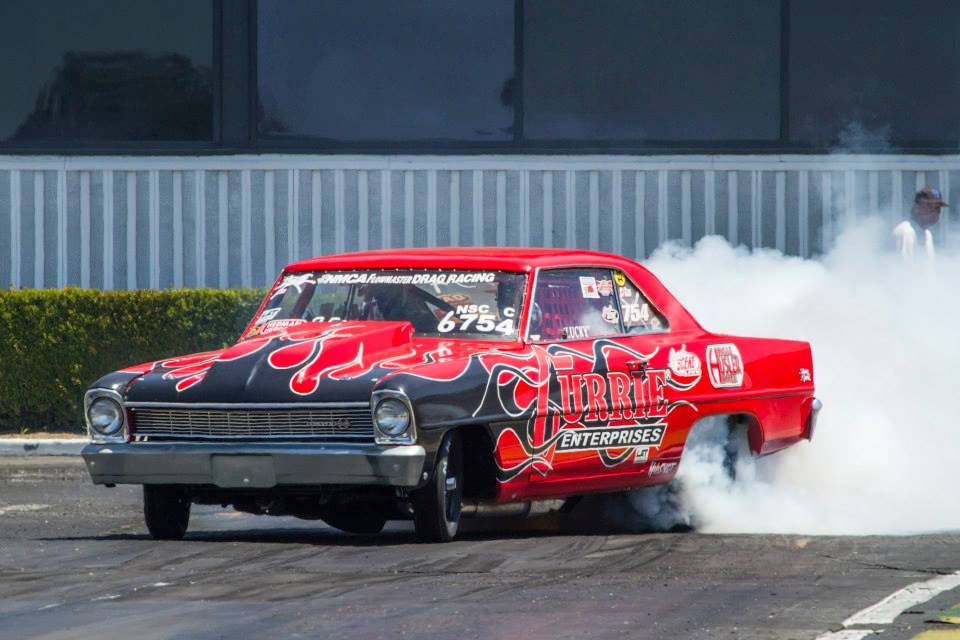
This year we have wrapped the rig with really nice Currie Enterprises graphics. The designers at Currie did a great job of incorporating flames,...
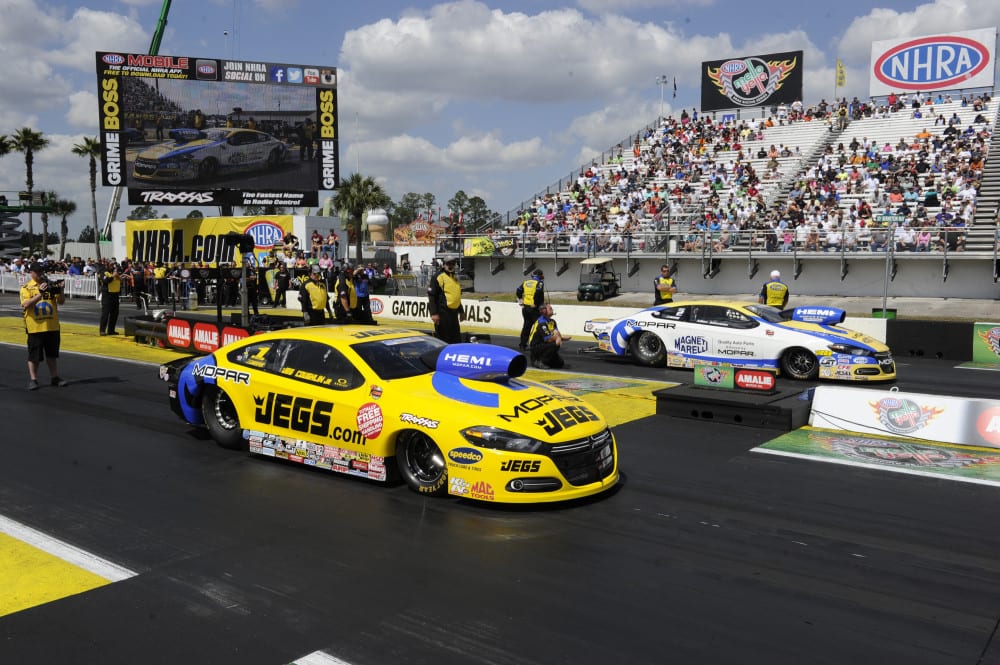
The National Hot Rod Association’s annual east coast opener, the 46th Annual Amalie Motor Oil NHRA Gatornationals, is one of the most anticipated races on the NHRA Mello...
The biggest nostalgia race of the year is about to explode in Bakersfield, and if you have been to it, you know what an...
Last weekend was Donald “Duck” Long’s “Lights Out” race at SGMP and I had to keep coming back to watch the live stream all...
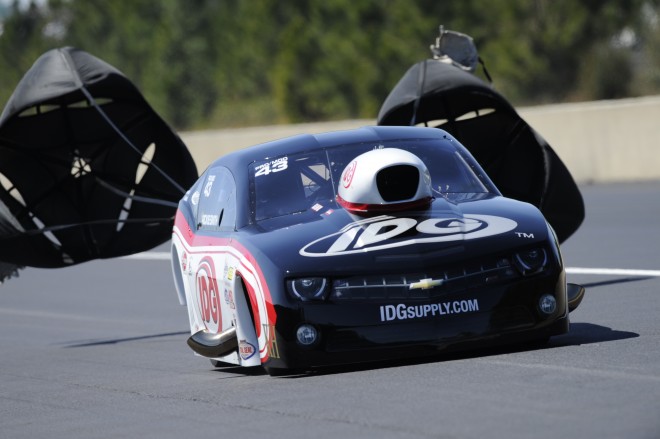
I have to believe it goes without saying at this point, but I’ve got a thing for fast doorslammers. Growing up, my dad, along...
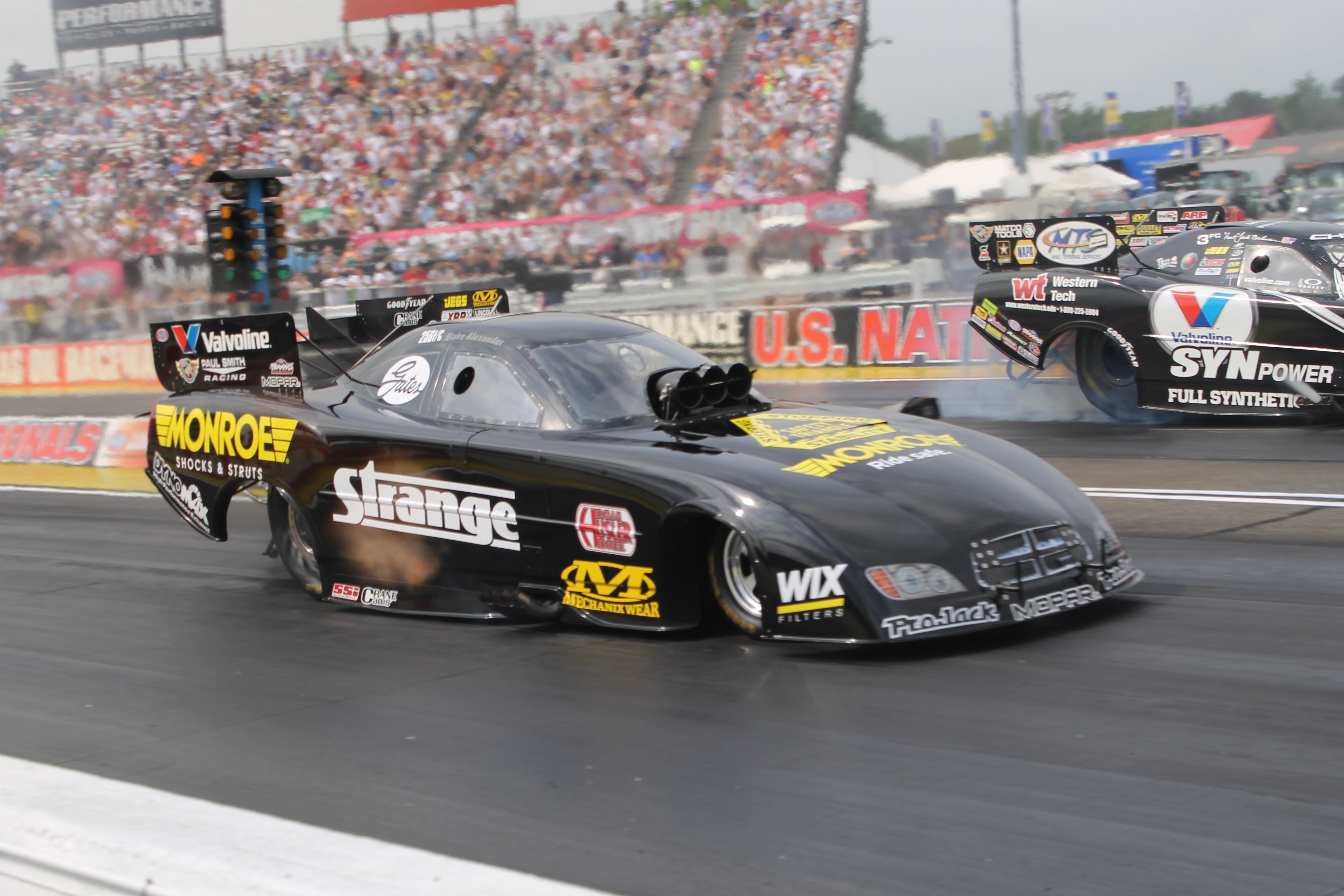
Funny Car racer Blake Alexander has spent the last four seasons working his way towards becoming one of the more successful part-time nitro racers....
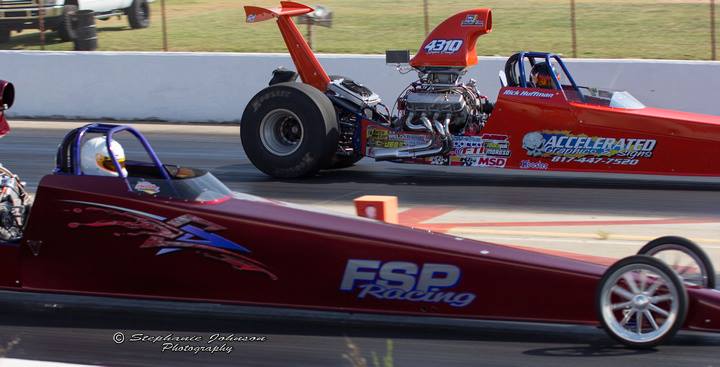
You can read the title as many times as you’d like. It’s not gonna’ change. But before you toss it in your virtual wicker...
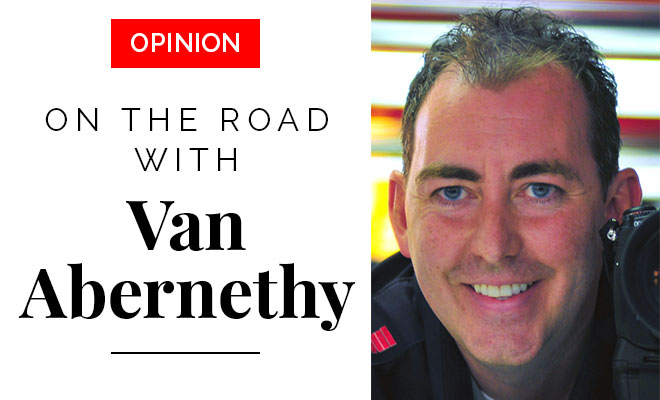
Long before Pat Joffrion had the idea 14 years ago of building a drag strip in Belle Rose, Louisiana, his prior claim to fame was...
Having the honor and privilege to be able to race and promote Currie Rearends/Hedman/Aeromotive has resulted in many friends for me nationwide. I consider...
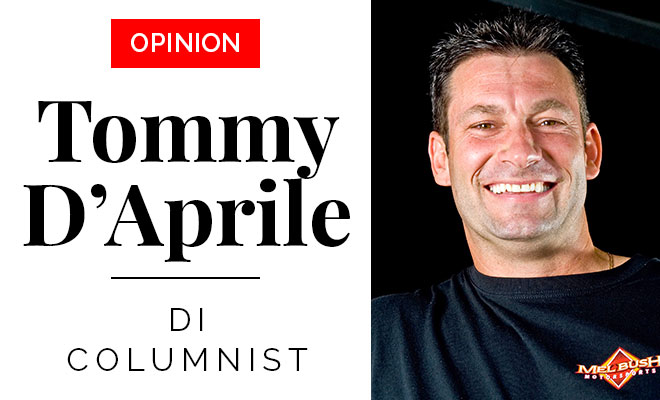
Most of you know I’m a driver in the Pro Mod and Pro Extreme classes, but my day job is working at my family...
To judge the inaugural event of the Professional Drag Racers Association (PDRA) from a strictly monetary perspective, then yes, its PDRA Spring Open at...


